Why Should You Study Abroad and How Can It Transform Your Global Career?

Making the decision to leave home and study in a foreign country is one of the most defining moments in a student's life. It is not just an academic upgrade; it is a personal revolution. In an increasingly interconnected world, employers are no longer just looking for degrees—they are looking for the kind of adaptability, resilience, and cultural fluency that only comes from living overseas.

When you choose to study abroad, you are essentially investing in a global future. You gain access to cutting-edge research, diverse teaching methods, and international networks that can fast-track your career in ways a local degree often cannot. Whether it is mastering a new language in Germany, interning at a startup in Silicon Valley, or conducting research in the UK, the exposure you get is unparalleled. This article will walk you through everything you need to know—from choosing the right country to securing that all-important student visa—helping you turn your global education dream into reality.

What Does Study Abroad Mean for International Students Today?

Studying abroad is no longer just about getting a degree from a foreign university; it is a comprehensive life experience that redefines your personal and professional identity.

 For students today, it means stepping out of their comfort zones to access world-class education, diverse cultural perspectives, and global networking opportunities.

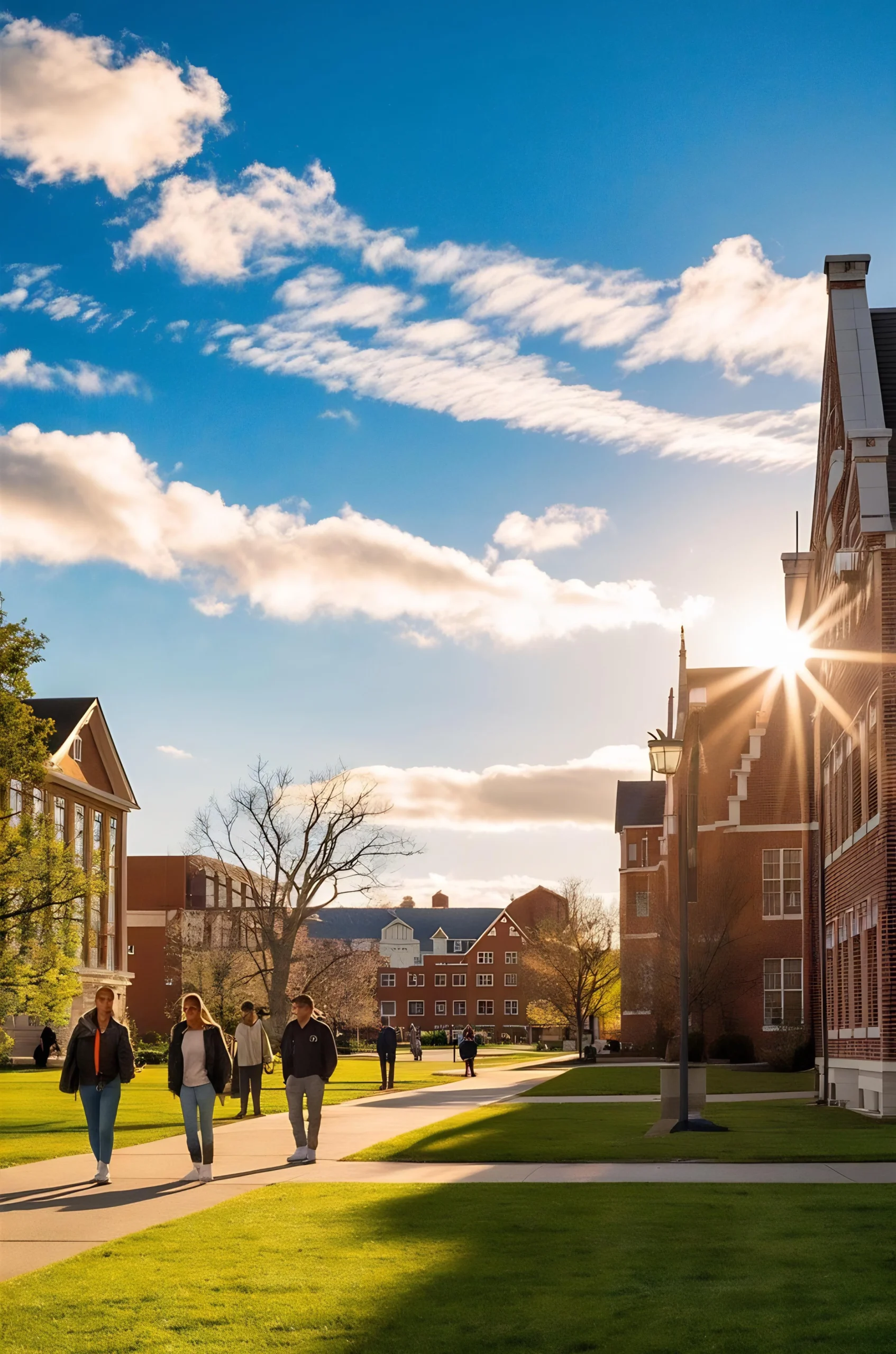
In the current landscape, overseas education is a strategic investment. It shifts your learning from theoretical classrooms to practical, industry-driven environments. Whether you are an engineering student looking at Germany's tech hubs or a business aspirant eyeing London's financial district, studying abroad provides the global exposure necessary to thrive in a borderless economy. It is about building resilience, adaptability, and a cross-cultural mindset—soft skills that modern employers value as much as academic grades.


8460

Why Is Studying Abroad the Right Choice for Students in 2026 and Beyond?

As we approach 2026, the value of an international degree is at an all-time high. With globalization deepening, companies are actively seeking graduates who possess "global fluency."

Global Employability:

Degrees from countries like the USA, UK, and Australia are recognized globally, often acting as a passport to careers in multinational corporations.

Permanent Residency (PR) Pathways:

Countries like Canada, Australia, and Germany offer clear PR routes for skilled graduates, making study abroad a gateway to long-term settlement.

Access to Cutting-Edge Technology:

Universities abroad are often ahead of the curve in integrating AI, sustainability, and data science into their curriculums.

Quality of Life:

Beyond academics, you gain access to better healthcare, safety, and a higher standard of living.

What Can You Study Abroad Based on Your Career Goals?

The beauty of overseas education lies in its variety. You can tailor your education to fit your exact career trajectory:

Undergraduate Programs:

Ideal for high school graduates looking to build a strong foundation. These 3-4 year degrees offer holistic development.

Postgraduate (Masters) Programs:

Perfect for professionals or fresh graduates wanting to specialize. The UK’s 1-year Masters is particularly popular for its time efficiency.

Diploma & Certificate Courses:

Vocational courses in countries like Canada (Co-op programs) offer hands-on training and quicker entry into the workforce.

PhD & Research:

For those aiming for academia or high-level R&D roles, full-funded PhDs in the US or Europe are the gold standard.

Which Are the Most Popular Programs to Study Abroad for International Students?

In 2026, the demand is shifting towards future-ready skills. While traditional fields like Engineering and Medicine remain strong, new sectors are booming.

Artificial Intelligence & Data Science:

With the AI revolution, these are the top choices in the US and UK.

Sustainability & Renewable Energy:

Europe, particularly Germany and Sweden, is the hub for green tech education.

Healthcare & Nursing:

High demand in Canada, Australia, and the UK due to aging populations.

Business Analytics & MBA:

A staple for career acceleration, with a focus on digital transformation.

What Is the Student Visa Fee for Studying Abroad?

Visa fees are subject to change. Here are the approximate costs for 2025-2026:

CountryVisa Fee (Approx.)
USA$185 (Visa) + $350 (SEVIS Fee)
UK£490 - £524 (plus Health Surcharge)
AustraliaAUD 710 - AUD 1,600+ (Check latest hikes)
CanadaCAD 150 + Biometrics (CAD 85)
Germany€75
New ZealandNZD 750+ (Recent hikes observed)

Always verify with the official embassy website as fees can change without notice.

campus

Which Are the Best Countries to Study Abroad in 2026?

Choosing a destination depends on your budget, career goals, and lifestyle preferences. Here is a snapshot of the top contenders for 2026:

Top Destinations

Top Ivy League Admits

Have a question?

👋 Say hello!hallå!salve!
Is studying abroad expensive for Indian students?

It can be, but options vary. Countries like Germany are very affordable (low tuition), while the US/UK are pricier. However, the ROI in terms of global salary usually justifies the cost.

Yes, some universities accept “Medium of Instruction” (MOI) certificates if you studied in English. However, for visa purposes, taking a test like IELTS or PTE is highly recommended to avoid rejection.

Australia (up to 4-5 years), UK (2 years Graduate Route), and Canada (up to 3 years PGWP) offer the best stay-back options currently.

Ideally, start 12 months before your intended intake. This gives you time for test prep, retakes (if needed), and stress-free application filing.

Yes! Experienced consultants know exactly which scholarships you are eligible for and can guide you through the tricky visa interview process to maximize approval chances.

109736

What Scholarships Are Available to Study Abroad for International Students?

Funding shouldn’t be a barrier.

Government Scholarships:

Fulbright (USA), Chevening (UK), Australia Awards.

University Scholarships:

Merit-based tuition waivers (ranging from 10% to 100%).

External Bodies:

Tata Scholarship, Erasmus Mundus, etc.

Research Assistantships:

For PhD/Masters students to earn while studying.

2148721291

How Can Education Loans Help You Finance Your Study Abroad Plans?

If scholarships don’t cover everything, loans are a viable option.

Secured Loans:

Lower interest rates; requires collateral (property/FD).

Unsecured Loans:

Higher interest; based on your academic profile and co-applicant's income.

NBFCs vs. Banks:

Banks offer lower rates but slower processing; NBFCs are faster but costlier.

Repayment:

Usually starts after a moratorium period (course duration + 6 months)

4368881

Why Should You Choose a Trusted Study Abroad Consultant?

The process involves hundreds of steps, forms, and deadlines. A single mistake can cost you a year.

Expertise:

Consultants know the latest visa rules and university preferences.

Profile Building:

They help refine your SOPs and CVs to stand out.

University Partnerships:

Many consultants have direct tie-ups, speeding up your offer letter.

startup-effort-concept

How Do Top Study Abroad Consultants Support Students End-to-End?

A good consultant is your partner from “Thinking” to “Landing.”

Counseling:

Unbiased career guidance.

Test Prep:

Coaching for IELTS/GRE.

Applications:

Editing and filing support.

Visa Guidance:

Mock interviews and financial document verification.

Post-Departure:

Help with accommodation, SIM cards, and forex.

Scroll